

TheUnited Stateson Tuesday renewed the African Growth and Opportunity Act (AGOA) through the end of the year, an agreement that allows many African countries to access the US market duty-free.
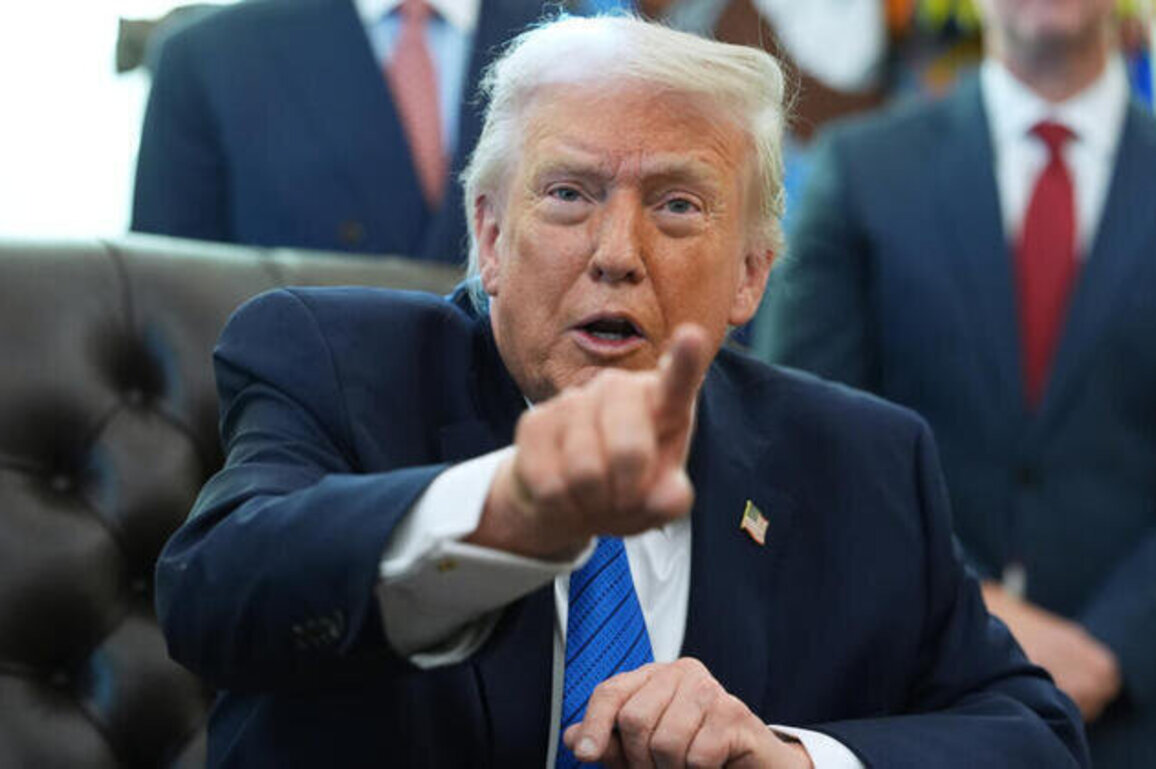
USTradeRepresentative Jamieson Greer said in a statement that PresidentDonald Trumphad signed into law a reauthorisation of the trade preference program through December 31, 2026, with retroactive effect from September 30, 2025 the date it had expired.
"AGOA for the 21st century must demand more from our trading partners and yield more market access for US businesses, farmers, and ranchers," Greer said.
Trump has used trade andtariffswhich he has called his "favorite word" as a carrot and a stick to reshape international relations, as he sees fit.
Read moreTrump threatens new tariffs on countries supplying Cuba with oil
In a statement, Greer vowed to "work with Congress over the next year to modernise the program to align with" current US policy.
A cornerstone of US-Africa trade relations for 25 years, the AGOA has allowed the United States to buy billions of dollars of duty-free cars, clothes and other items from select African countries each year.
But the deal, which operates in 32 African nations, expired last September, affecting thousands of jobs and forcing exporters to absorb high tariff duties.
In 2024, $8.23 billion worth of goods were exported under the accord, half of which came fromSouth Africa, mainly cars, precious metals and farm produce, and one fifth fromNigeria, mainly oil and otherenergyproducts, according to the United States International Trade Commission (USITC).
Smaller countries were hard hit, too.Lesotho's textiles sector, the country's biggest employer, was hard hit by AGOA's expiration, and hundreds of workers demonstrated in the capital Maseru in late October against cuts sparked by the new American customstariffs.
Watch moreLesothos denim industry unravels as Trumps tariffs deadline looms
Lesotho, which Trump described as a place "nobody has ever heard of", exported $150 million of goods under the accord in 2024.
(FRANCE 24 with AFP)
Originally published on France24